“And all I gotta do is act naturally”
What is unique about this song?
Of all the Beatles' records, it is one of only three that have a drop d tuning, next to 'Dear Prudence' and 'I Want You (She's So Heavy)'. Voni Morrison and Johnny Russell wrote it, and the Beatles recorded nothing else they wrote.
What happened around it?
see full timeline →'Wait' was cut at the same session, and the same run of sessions produced 'It's Only Love'. Help! was finished with this song. In those weeks, 13 days before the session, the Beatles for Sale (No. 2) EP came out. In the background, 8 days later, The Beatles' MBEs were announced. One other thing, 12 days later, Lennon's "A Spaniard in the Works" was published. While that was going on, 7 days later, the mellotron was first used in pop, by the Graham Bond Organisation.
The Studer J37 4-track recorder runs from 'Act Naturally' (1965) to 'You Know My Name (Look Up the Number)' (1970), 78 songs across 6 years.
● hover for more info● tap a tag for its page and notes
Text247 tags
The song deals in the motifs of self deprecation, movies and storytelling. There is irony in the writing (boasts of stardom while admitting he plays a fool), most common in the Beatles' 1967 songs. The language is tonally neutral. As it happens, the line "All I have to do is" turns up in one other Beatles song, 'Something'.
Cover-shared words
Cover-shared shape
affiliate link - supports this wiki
Music141 tags
'Act Naturally' runs near 93 BPM in G major, and it is a country rock piece all the way. The tune carries an ostinato, a pattern that keeps coming back (a bluesy lead-guitar figure, played as the solo in the intro and break and behind every verse), 1965 being the year the Beatles used it most. You will notice the defining riff, a drop-D low-string country lick over intro/outro. A small coincidence, but the chords run D7 → G → D7 → G → D7 → G → A7, the same move 'Good Morning Good Morning' makes as A → D → A → D → A → D → E.
Chord shape
Chord literal
affiliate link - supports this wiki
Studio9 tags
Cut at EMI Studio 2 in 13 takes on June 17, 1965, with Ringo's vocal, Paul's bridge harmony, and George's drop-D lead guitar overdubbed onto the basic track in the same session. Harrison used the Gretsch 6119 Tennessean here, his electric, Drop D tuning, most common in their 1964 songs. They worked with the Ludwig Super Classic, Starr's own kit since 1964. The Beatles put two songs on tape that day, the 86th and 87th of their career.
affiliate link - supports this wiki
People10 tags
Johnny Russell and Voni Morrison wrote it, and Starr sings lead. It exists to give Ringo something to sing. McCartney is credited with harmony on the bridges. The drums are mostly rim and stick taps and brushed backbeat, 1965 being the year they used it most.
affiliate link - supports this wiki
Info18 tags
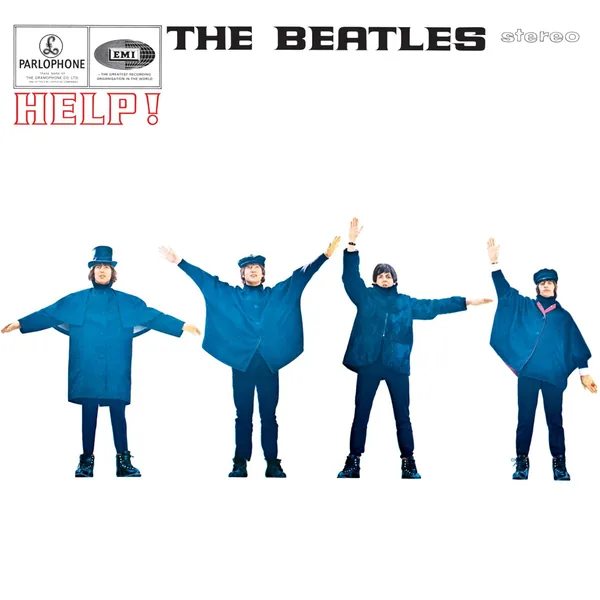
This track was released on the Help! LP (Aug 6, 1965), and it was issued in the US as the B-side of 'Yesterday' (Sep 13, 1965), where it charted in its own right at #47, and later collected on Yesterday and Today (Jun 20, 1966). That was ten months later. This song was the 11th of the 33 records the Beatles released in 1965, and the 80th counting from the start.
affiliate link - supports this wiki
Sources & references
Tags on this page are original analysis, transcribed and cross-checked against the fine work of others: Alan W. Pollack's “Notes on…” series, the Beatles Complete Scores (Hal Leonard), Mark Lewisohn's session histories, Ian MacDonald's Revolution in the Head, Dave Rybaczewski's Beatles Music History and Andy Babiuk's Beatles Gear for the instruments and studio equipment, and others besides - then verified by ear against the recordings. Full bibliography: Sources & thanks.
External entity links: Wikipedia · MusicBrainz recording · MusicBrainz work · Wikidata
Updated
Feedback
Got a tag idea for Act Naturally? Or think we've got it all wrong - no, no, no? Don't let it be.