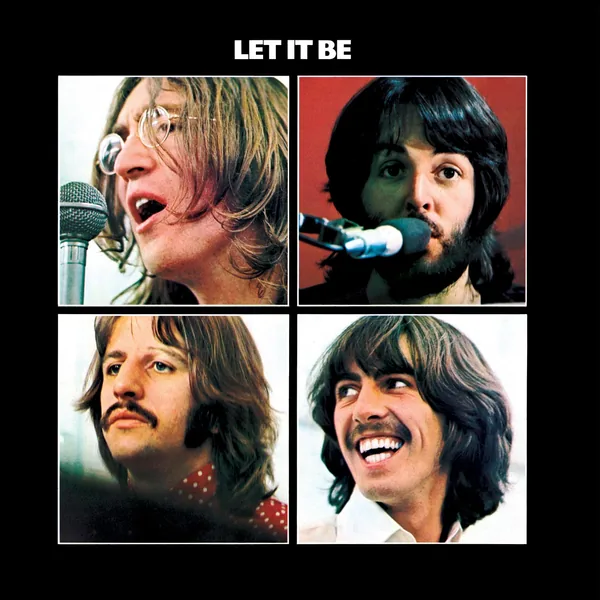
“She never walk down Lime Street anymore”
What is unique about this song?
The song is one of three that reach for skiffle, with 'All Together Now' and 'One After 909' as its company.
What happened around it?
see full timeline →The same spell in the studio gave them 'For You Blue' and 'The Long and Winding Road'. Worth noting, 2 weeks before the session, George quit. Also 7 days later, Yellow Submarine came out. On the studio floor, 5 days later, George returned, and the sessions were moved to Apple Studios. Further back, 9 days earlier, Led Zeppelin's debut album appeared.
Independent engineer Glyn Johns recorded the Get Back sessions and Let It Be. Credited on 15 Beatles recordings, including 'I Want You (She's So Heavy)', 'One After 909', 'Maggie Mae'.
● hover for more info● tap a tag for its page and notes
Text103 tags
The track names real places (Liverpool, Lime Street), and it deals in the motifs of storytelling and character too. The telling is a vignette, one scene rather than a story, a habit that peaked in 1967. It uses pastiche (Traditional Merseyside folk tune).
Cover-shared shape
affiliate link - supports this wiki
Music55 tags
'Maggie Mae' runs near 84 BPM in G major, and it is a folk and skiffle piece from first bar to last. Listen for the defining riff, a simple I-IV-V folk strum. Also, it does without bass, which almost nothing else of theirs does. Verse after verse and nothing else, which makes the song strophic, one of sixteen, such as 'Matchbox' and 'Mr. Moonlight'.
affiliate link - supports this wiki
Studio11 tags
Captured live at Apple Studios during the Get Back rehearsals. The brief fragment was kept as a Liverpool nod to bridge two tracks on the album. McCartney is on the Martin D-28, his acoustic, something they had reached for on 'Across the Universe' eleven months earlier. It was the 2nd of the 30 songs they recorded in 1969, and the 185th of their career.
affiliate link - supports this wiki
People11 tags
This track is a traditional song whose author nobody knows, and Lennon and McCartney share the lead. There is a role swap on it, McCartney on acoustic guitar, and it is on more of their 1968 records than any other year's.
affiliate link - supports this wiki
Info15 tags
The song came out with Let It Be on May 8, 1970, and it was never mixed for mono, which by then the Beatles had stopped doing. This is their 210th record, and the 8th of the 12 they released in that year.
affiliate link - supports this wiki
Sources & references
Tags on this page are original analysis, transcribed and cross-checked against the fine work of others: Alan W. Pollack's “Notes on…” series, the Beatles Complete Scores (Hal Leonard), Mark Lewisohn's session histories, Ian MacDonald's Revolution in the Head, Dave Rybaczewski's Beatles Music History and Andy Babiuk's Beatles Gear for the instruments and studio equipment, and others besides - then verified by ear against the recordings. Full bibliography: Sources & thanks.
Updated
Feedback
Got a tag idea for Maggie Mae? Or think we've got it all wrong - no, no, no? Don't let it be.